Leveraging patient-derived cells, Qureator’s metastatic cancer model replicates the complex phenotypes of cancer metastasis with high fidelity. Through advanced AI-based image analysis, we characterize and quantify key features across multiple biological parameters. This approach provides deep, actionable insights to enhance the development and success rate of novel cancer therapies.
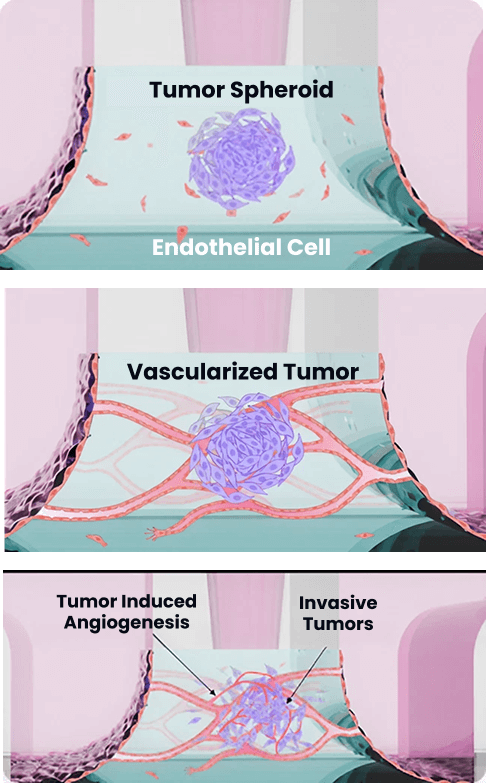
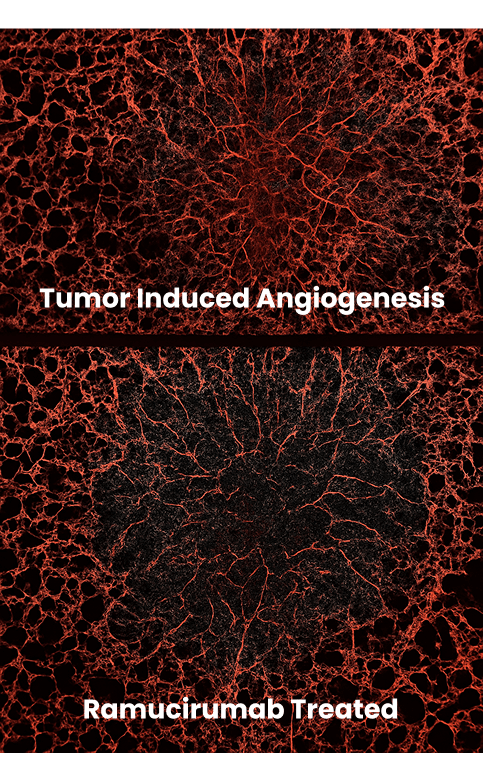
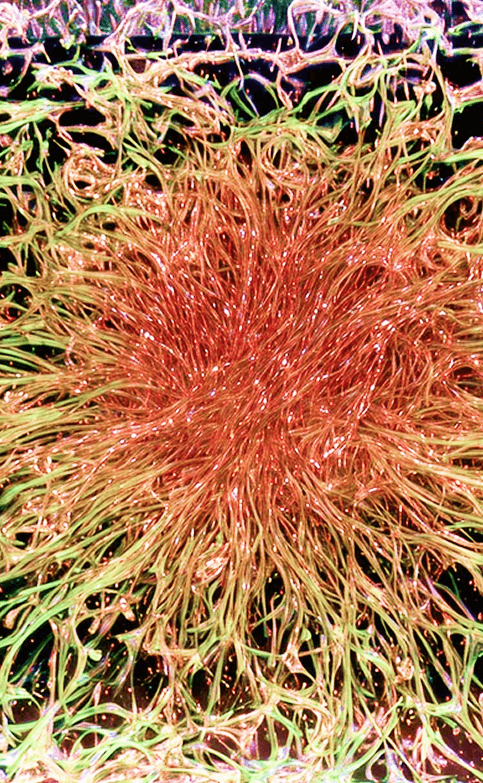
cancer model
Qureator’s vascularized tumor immune micro-environment vTIME model integrates human immune cells with cancer and vasculature to replicate. By enabling immune cell trafficking through perfusable vessels, as well as extravasation, tumor infiltration, and 3D tumor cell killing, vTIME provides a physiologically relevant platform for evaluating immuno-oncology (IO) targets and mechanisms. This enhanced realism increases predictive power and accelerates the development of effective IO therapies.


model configuration
Qureator’s AMD model recapitulates the complex 3D architecture of the retina, incorporating multiple cell layers and the extracellular matrix. Upon exposure to disease-relevant stimuli, the model exhibits key phenotypes associated with both dry and wet AMD, including drusen formation, RPE barrier breakdown, and neovascularization.

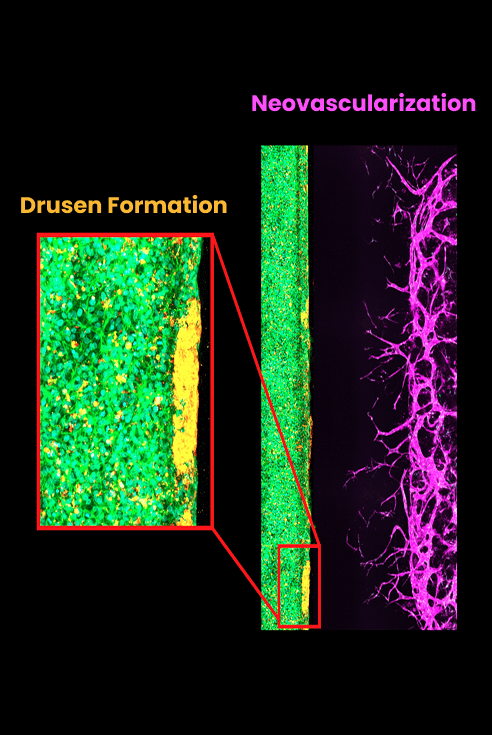

With its high-throughput screening (HTS) format, the model supports dynamic studies of cellular interactions and drug response. Given the increasing demand for dry AMD models, Qureator’s platform offers a valuable and scalable system for preclinical testing in both AMD subtypes.
Recognizing the limited predictive power of conventional in vitro and in vivo models, Qureator has developed a next-generation DILI platform designed to address idiosyncratic drug-induced liver injury. This system leverages functional Human Liver Organoids (HLOs) derived from iPSCs, incorporating multiple liver-relevant cell types.

Integrated into Qureator’s multi-compartmental Curiochips, the platform also supports co-culture with patient-specific immune cells, enabling detailed analysis of immune-hepatocyte interactions and immune-mediated liver toxicity—a key advancement for assessing complex, patient-relevant DILI mechanisms.
The brain is a privileged and protected environment, separated from the systemic circulation by a tightly regulated interface: the Blood-Brain Barrier (BBB). This barrier is designed to maintain neural function and prevent damage from toxins, pathogens, and fluctuations in blood composition. The BBB is primarily formed by brain microvascular endothelial cells (BMECs), pericytes, embedded in the basement membrane, and astrocyte end-feet, which surround the capillaries, contribute to the structural integrity and functional maintenance of the BBB.

configuration
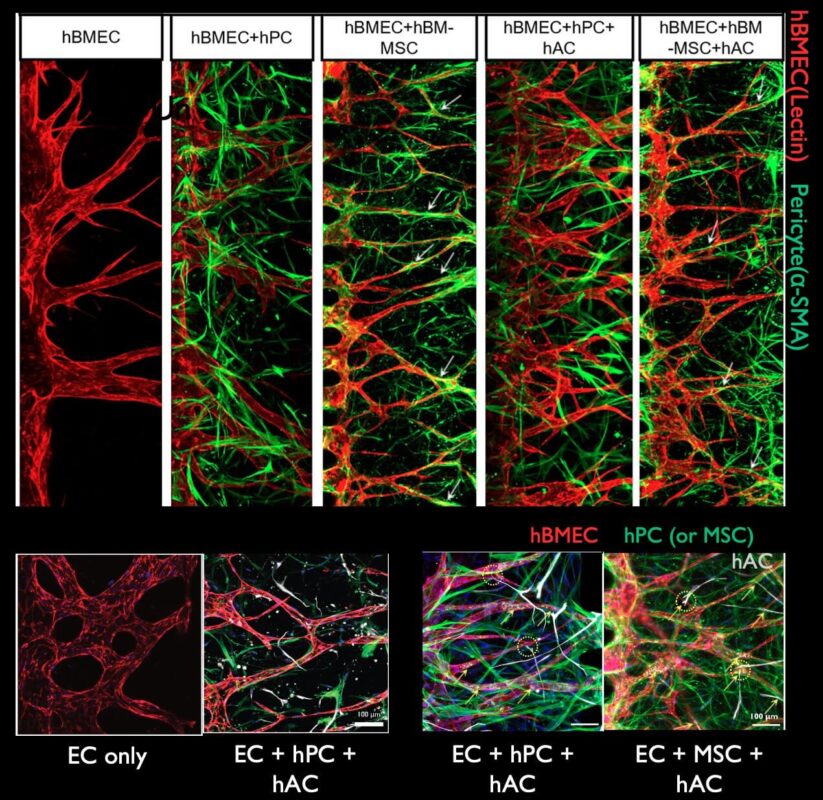
Conventional transwell co-culture models of the BBB have intrinsic limitations, including their static nature and 2D layout, which do not allow for the simulation of in vivo-like properties. Qureator’s BBB model, using primary HBMECs, pericytes, and astrocytes with flow, exhibited the expression of BBB tight junction proteins and transporters, resulting in low permeability and selective drug transportation.
The Qureator platform is highly flexible to be optimized for various
applications. Please contact us for your custom needs.
